Amniotic Tissue Injection Therapy
Amniotic tissue injections are an advanced regenerative biologic treatment used to reduce chronic pain and support healing in the foot and ankle without surgery, hospitalization, or lengthy recovery. At Cella Foot & Ankle Specialty, Dr. Cella uses FDA-regulated amniotic tissue products selected specifically for your condition and clinical needs, delivering a powerful regenerative environment directly to damaged or chronically inflamed tissue so your body has what it needs to heal. Patients throughout Fair Lawn, NJ turn to this precise, in-office therapy as a meaningful alternative to repeated steroid injections.
How Do Amniotic Tissue Injections Work?
Amniotic tissue is derived from donated human biological tissue and is naturally rich in growth factors that signal tissue repair, cytokines that calm chronic inflammation, collagen and structural proteins that provide a scaffold for regeneration, and hyaluronic acid that lubricates and protects joint and soft tissue. When injected into a damaged tendon, joint, ligament, or soft tissue structure, these biologics create a concentrated healing environment that a cortisone shot simply cannot provide. Rather than masking pain temporarily, amniotic tissue injections work with your body's own biology to promote more lasting, meaningful recovery. All products used are derived from rigorously screened donated tissue and processed under strict FDA regulatory guidelines.
What Conditions Can Amniotic Tissue Injections Treat?
Dr. Cella may recommend amniotic tissue injections for patients with:
- Chronic plantar fasciitis that has failed physical therapy, orthotics, and steroid injections
- Achilles tendinopathy, both insertional and mid-substance
- Posterior tibial tendon dysfunction and chronic tendon degeneration
- Peroneal tendon pain and chronic lateral ankle instability
- Foot and ankle osteoarthritis with soft tissue involvement
- Chronic ankle ligament injury with persistent pain
- Post-surgical pain or slow-healing soft tissue conditions
- Diabetic or neuropathic foot conditions involving chronic tissue breakdown
- Plantar plate tears and chronic forefoot pain
Many of these concerns are also addressed on our ankle pain and sports injury, arch pain, and foot and toe pain pages, and Dr. Cella will determine whether regenerative therapy is the right fit for your diagnosis.
What to Expect
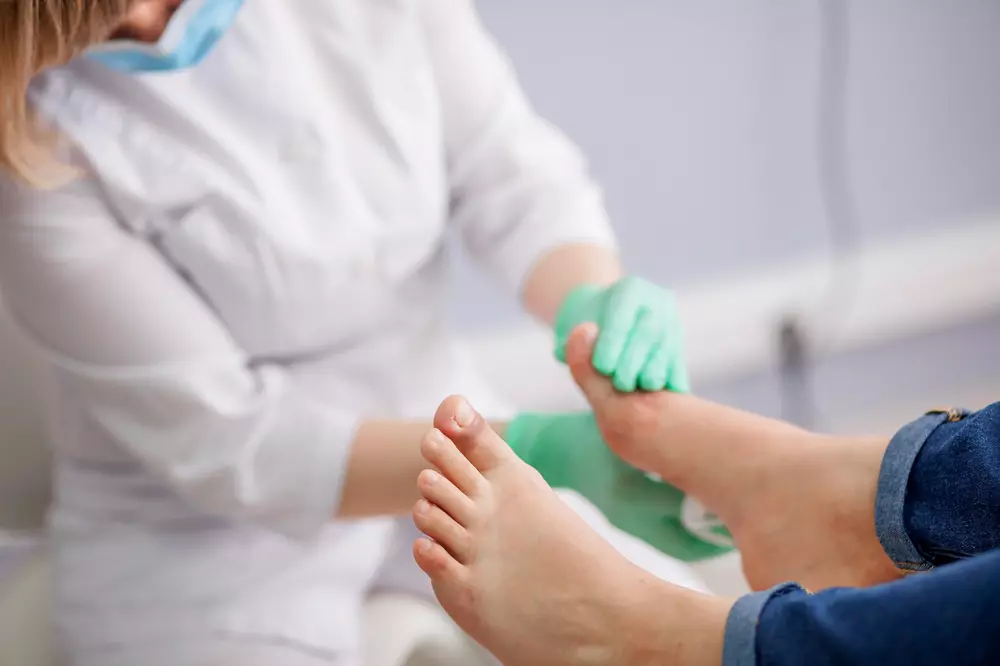
This is an in-office procedure performed with precision by Dr. Cella, and most patients are in and out within 30 minutes. Following your injection, you can typically expect a gradual reduction in pain and inflammation over four to eight weeks as the tissue begins to remodel, progressive improvement that continues over several months, longer-lasting results than cortisone without the risks of repeated steroid use, and improved function with walking, standing, and daily activity. Some patients require a single injection while others benefit from a short series, and Dr. Cella will tailor your protocol to your diagnosis, imaging findings, and treatment history.
How Is This Different From Cortisone or PRP?
Cortisone is an anti-inflammatory that provides temporary relief but does nothing to repair damaged tissue, and repeated use can actually weaken tendons and break down joint cartilage over time. Amniotic tissue injections work differently, delivering regenerative signals that promote actual tissue repair and making them a far more appropriate long-term solution for chronic or degenerative conditions. PRP (platelet-rich plasma) is drawn from your own blood and concentrated for injection; it is also a regenerative biologic, but it delivers a narrower range of healing factors, while amniotic tissue products contain a broader array of structural proteins, growth factors, and anti-inflammatory cytokines. Both have a role in regenerative podiatry, and Dr. Cella will help determine which is the right fit for your condition.
Why Choose Dr. Cella for Regenerative Foot & Ankle Care?
Dr. Antonella Cella, DPM, FACFAS is a board-certified foot and ankle surgeon offering a carefully curated suite of regenerative and biologic treatments in Fair Lawn, NJ . She brings surgical-level precision and clinical judgment to every injection she performs and takes the time to match the right treatment to the right patient. Rather than defaulting to cortisone or moving prematurely to surgery, Dr. Cella evaluates your full clinical picture and offers advanced options, including amniotic tissue injections, Euflexxa® viscosupplementation, and Leneva® fat pad restoration, as part of a comprehensive, non-surgical care approach. These therapies are part of our broader menu of advanced injectable and biologic treatments.
Frequently Asked Questions
Is amniotic tissue injection therapy safe?
Yes. All products used are derived from rigorously screened donated tissue and processed under strict FDA guidelines, including comprehensive infectious disease screening. These treatments have an excellent safety profile and have been used in medicine for decades.
Which specific product will be used?
Dr. Cella uses several FDA-regulated amniotic tissue products depending on your clinical needs and what is most appropriate for your condition. All products fall within the same category and are held to the same rigorous safety standards.
How many injections will I need?
Most patients receive one to two injections. Your protocol will be individualized based on your diagnosis and your response to treatment.
Can this be combined with other treatments?
Yes, and often it should be. Amniotic tissue injections pair well with Euflexxa for joint arthritis, Leneva for fat pad volume loss, custom orthotics, and physical therapy for a truly comprehensive approach to foot and ankle care.
How is this different from a cortisone shot?
Cortisone temporarily reduces inflammation but does not repair tissue, and repeated use can weaken tendons and cartilage. Amniotic tissue injections deliver regenerative signals that support actual tissue repair, making them better suited to chronic or degenerative conditions.
How soon will I feel results?
Most patients notice a gradual reduction in pain and inflammation over four to eight weeks as the tissue remodels, with continued improvement over several months. Results tend to last longer than those from a steroid injection.
Is the injection covered by insurance?
Coverage varies by plan and by the condition being treated. Our staff can review your benefits and explain any out-of-pocket costs before you proceed.