
By Cella Foot & Ankle Specialty – Fair Lawn, NJ
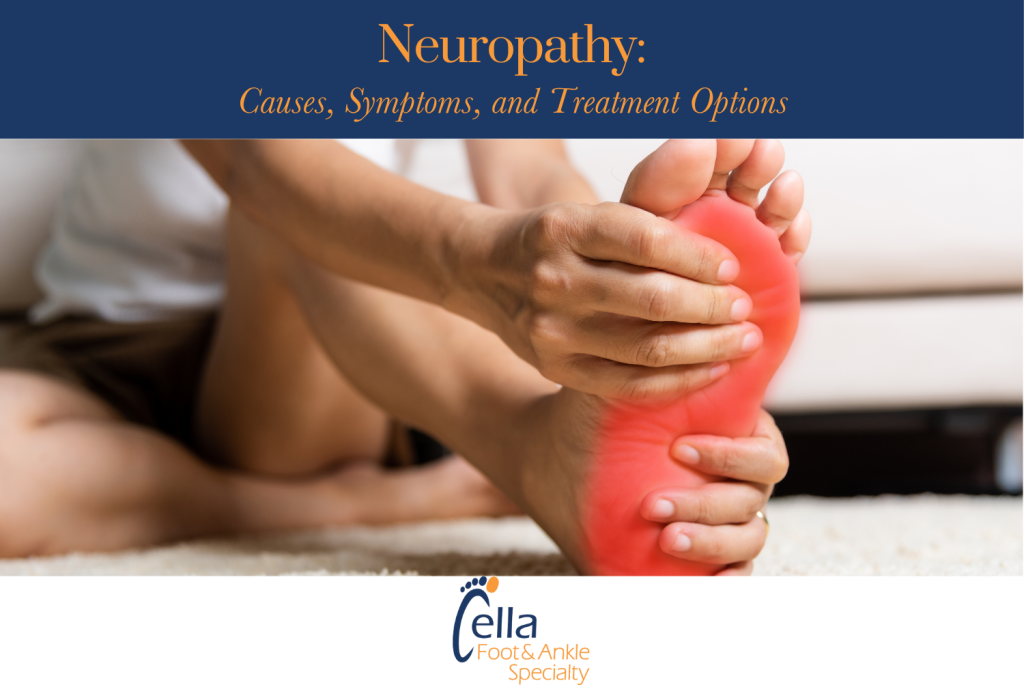
Neuropathy, often referred to as peripheral neuropathy, is a condition that affects the nerves outside the brain and spinal cord. It can cause pain, tingling, burning, or numbness—most commonly in the feet and lower legs. At Cella Foot & Ankle Specialty, we understand how debilitating neuropathy can be and are dedicated to helping patients regain comfort, stability, and mobility through advanced diagnostic and treatment options.
What Is Neuropathy?
Peripheral neuropathy occurs when nerve fibers become damaged or dysfunctional. The peripheral nervous system acts as a communication network between your brain and the rest of your body. When those nerves are impaired, signals may be weakened, disrupted, or misinterpreted—resulting in symptoms that range from mild numbness to severe pain.
Common Causes of Neuropathy
While diabetes is the leading cause of neuropathy, there are many other potential triggers, including:
- Chronic conditions: Diabetes, hypothyroidism, autoimmune diseases
- Injury or trauma: Repetitive stress, fractures, or direct nerve damage
- Nutritional deficiencies: Low levels of B vitamins or folate
- Alcohol use or toxins: Chronic alcohol consumption or exposure to certain chemicals
- Medications: Chemotherapy drugs or long-term use of certain antibiotics
- Infections: Lyme disease, shingles, or hepatitis
Symptoms of Neuropathy
Symptoms may vary depending on which nerves are affected but can include:
- Tingling, burning, or “pins and needles” sensation in the feet
- Sharp, shooting, or electric-like pain
- Loss of balance or coordination
- Numbness that worsens at night
- Muscle weakness or cramping
- Increased sensitivity to touch
These symptoms often start gradually and can worsen over time, impacting daily activities such as walking or standing for long periods.
How We Diagnose Neuropathy
At Cella Foot & Ankle Specialty, diagnosis begins with a thorough medical history and physical examination. Depending on your symptoms, we may use:
- Nerve conduction studies (NCS) or electromyography (EMG) to assess nerve function
- Blood tests to identify underlying metabolic or vitamin deficiencies
- Advanced imaging if structural causes are suspected
- Quantitative sensory testing to evaluate sensory nerve response
Treatment Options for Neuropathy
The key to effective neuropathy care is addressing the root cause while managing symptoms. Treatment options may include:
- Lifestyle and nutritional changes: Controlling blood sugar, improving diet, and avoiding alcohol
- Medications: For pain relief or to target nerve inflammation
- Topical therapies: Prescription creams or compounded medications for localized relief
- Regenerative treatments: Such as stem cell therapy or platelet-rich plasma (PRP) to encourage nerve healing
- Leneva™ injections: Fat pad restoration to cushion and protect pressure-prone areas of the feet
- Custom orthotics: To improve gait, reduce pain, and prevent ulcers in diabetic patients
- Physical therapy and nerve stimulation therapies: To enhance circulation and reduce discomfort
Our approach is highly personalized—Dr. Cella designs each treatment plan based on your unique condition, lifestyle, and long-term goals.
Q&A: Common Questions About Neuropathy
Q: Is neuropathy reversible?
A: Some forms of neuropathy—especially those caused by vitamin deficiencies, medication side effects, or compression—can improve or even resolve once the underlying cause is treated. However, chronic conditions like diabetic neuropathy require ongoing management to prevent progression.
Q: What happens if neuropathy is left untreated?
A: Untreated neuropathy can lead to worsening pain, loss of balance, and an increased risk of foot ulcers or infections—especially in people with diabetes. Early intervention is key to preventing complications.
Q: Are there non-surgical treatments available?
A: Yes. Most neuropathy cases can be managed without surgery. Conservative options like nerve stimulation, custom orthotics, topical treatments, and regenerative injections are often effective at reducing pain and improving nerve function.
Q: How can I protect my feet if I have neuropathy?
A: Inspect your feet daily for cuts, blisters, or redness. Wear well-fitting shoes, avoid walking barefoot, and schedule regular foot exams with a podiatrist. Preventative care is critical to maintaining foot health.
Q: When should I see a specialist?
A: If you experience persistent numbness, burning pain, or balance issues in your feet or legs, it’s time to schedule an evaluation. Early diagnosis can significantly improve your outcome.
Contact Information
Cella Foot & Ankle Specialty
19-21 Fair Lawn Avenue, Suite 2A
Fair Lawn, NJ 07410
📞 Phone: (201) 773-6557
🌐 Website: cellafas.com
If you’re struggling with nerve pain, tingling, or numbness, don’t wait—relief is possible. Schedule your consultation with Dr. Cella today to begin your path toward lasting comfort and better foot health.
