
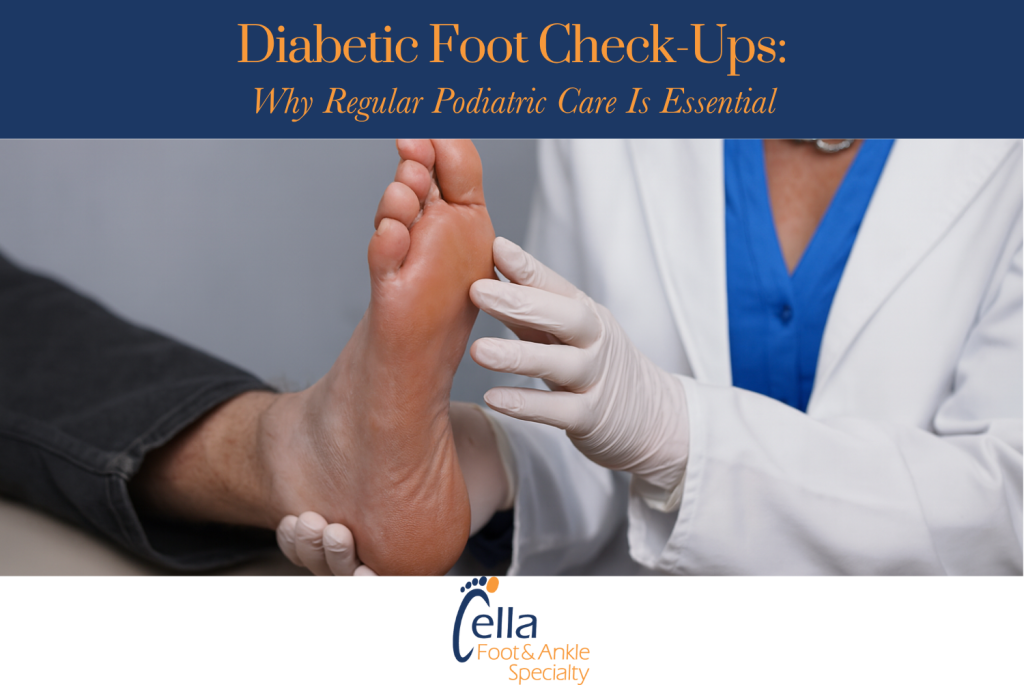
Understanding the Importance of Diabetic Foot Check-Ups
For individuals living with diabetes, maintaining foot health is not just a matter of comfort—it’s a matter of safety. Diabetes can damage the nerves and blood vessels in your feet, increasing the risk of wounds, infections, and, in severe cases, amputations. Regular foot check-ups at Cella Foot & Ankle Specialty play a vital role in preventing complications before they become serious.
At our Fair Lawn office, we specialize in comprehensive diabetic foot care, offering early detection, treatment, and education to help you stay mobile and healthy.
How Diabetes Affects Your Feet
Diabetes impacts circulation and nerve function throughout the body. Over time, elevated blood sugar levels can lead to two major foot problems:
- Peripheral Neuropathy: Damage to the nerves causes numbness, tingling, or burning sensations, often starting in the toes and feet. Because of this numbness, you might not feel injuries or sores.
- Peripheral Arterial Disease (PAD): Poor circulation slows healing and increases the risk of infection, especially in small cuts or blisters.
When both conditions exist together—as they often do—it creates a dangerous cycle where wounds go unnoticed and untreated, leading to ulcers or infections that may threaten limb health.
What Happens During a Diabetic Foot Check-Up
At Cella Foot & Ankle Specialty, every diabetic foot exam is thorough and personalized. During your visit, Dr. Cella and our team will:
- Assess Circulation: Checking pulses and skin temperature to evaluate blood flow.
- Test Nerve Sensation: Using specialized instruments to detect areas of numbness or sensitivity loss.
- Inspect Skin and Nails: Looking for calluses, cracks, fungal infections, wounds, or changes in skin color.
- Evaluate Foot Structure: Identifying deformities such as hammertoes, bunions, or Charcot foot that can increase pressure and injury risk.
- Review Footwear: Ensuring your shoes and orthotics fit correctly to prevent friction or sores.
We also provide preventive foot care education, custom orthotics when needed, and specialized treatment for wounds or infections.
Preventing Diabetic Foot Complications
Daily care at home, combined with regular podiatric visits, can significantly reduce the risk of foot problems. Here’s how to protect your feet:
- Check your feet daily for cuts, blisters, or swelling.
- Wash and dry thoroughly, especially between the toes.
- Moisturize dry skin, but avoid between-toe areas.
- Never walk barefoot, even indoors.
- Wear clean, properly fitted socks and shoes.
- Schedule regular foot exams (at least once every 3–6 months).
If you notice redness, pain, swelling, or a wound that isn’t healing—contact our office immediately.
Q&A: Diabetic Foot Check-Ups
Q: How often should I see a podiatrist for diabetic foot care?
A: Most patients benefit from a foot exam every 3–6 months, depending on their diabetes control and any existing foot issues. Those with prior ulcers, infections, or neuropathy should be seen more frequently.
Q: What are early warning signs I shouldn’t ignore?
A: Watch for color changes, swelling, open sores, ingrown toenails, or numbness. Even minor cuts can quickly escalate into infections.
Q: Can diabetic foot problems be reversed?
A: Nerve damage is typically permanent, but early detection and proper management can prevent progression and avoid serious complications.
Q: What if I don’t feel any pain—do I still need check-ups?
A: Yes! Lack of pain can actually be dangerous. Many diabetic patients lose sensation and don’t realize a wound exists until it’s advanced.
Q: Are special shoes or orthotics necessary for diabetics?
A: Often, yes. Proper footwear and orthotics reduce friction and pressure points, helping prevent ulcers and skin breakdown.
Expert Diabetic Foot Care in Fair Lawn, NJ
Protecting your feet means protecting your independence and overall well-being. Whether you’re managing newly diagnosed diabetes or have lived with it for years, proactive care makes all the difference.
If you haven’t had a recent foot exam, now is the time to schedule one.
Cella Foot & Ankle Specialty is here to help you maintain healthy, pain-free feet.
Contact Information:
Cella Foot & Ankle Specialty
📍 19-21 Fair Lawn Avenue, Suite 2A
Fair Lawn, NJ 07410
📞 (201) 773-6557
🌐 cellafas.com
